Uncertainty is often seen as a risk within organisations. But Hinssen radically flips that perspective. Uncertainty is not merely a source of risk; it is, above all, a source of untapped potential.
In a world that is changing ever faster, markets, technologies, and customer expectations are in constant flux. It is precisely within that movement that space emerges: space where competitors have yet to establish a foothold, where the rules are not yet fixed, and where no established order exists. This is the zone in which true innovators thrive.
Uncertainty is the form of opportunity closest to creativity, imagination, and courage. Not neatly measured, but raw and uncomfortable.
Those who only dare to act when everything is clear will inevitably be too late. Those who dare to act within uncertainty see opportunities that others only recognise once they have already vanished.
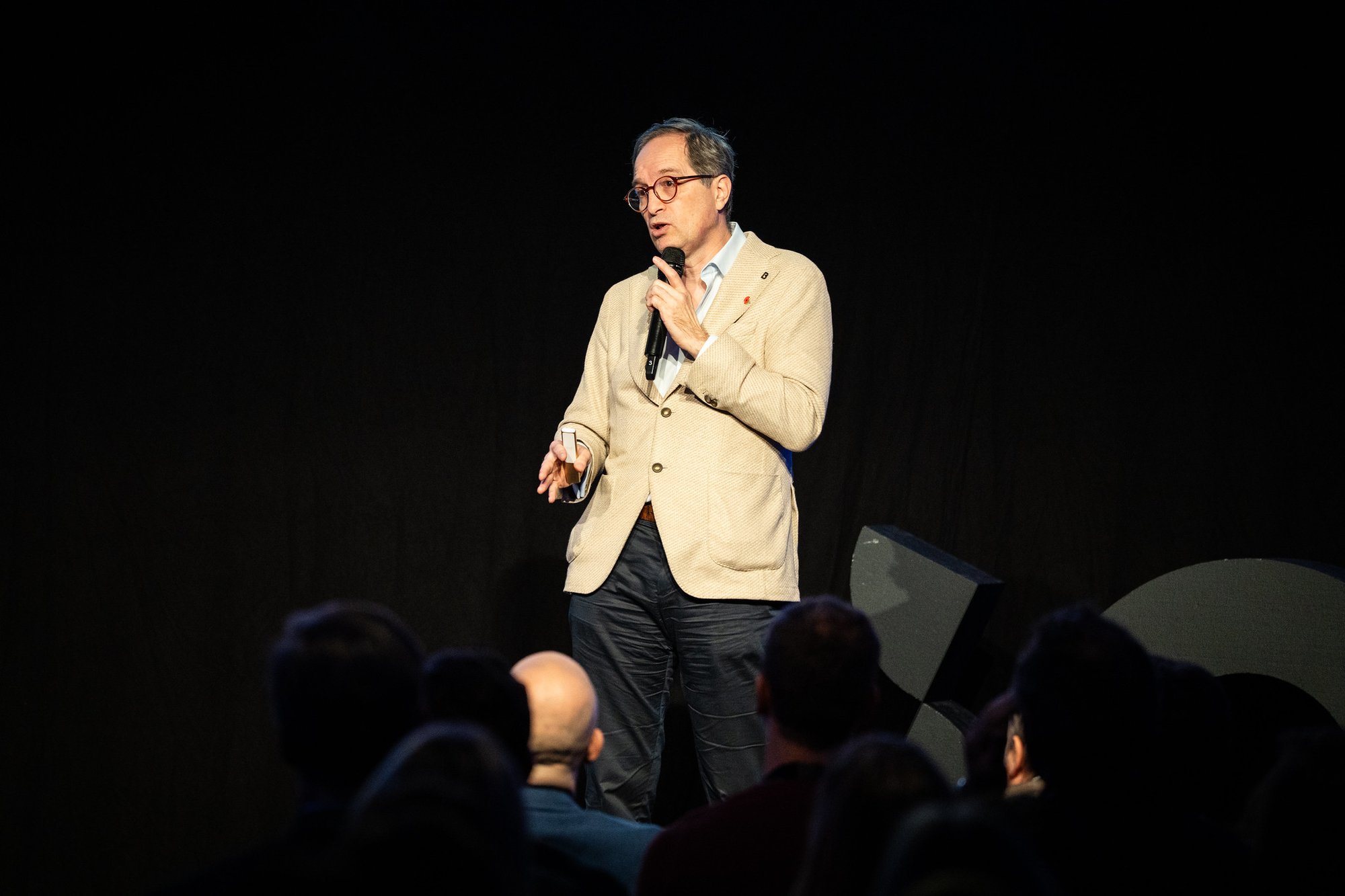
Uncertainty is often seen as a risk within organisations. But Hinssen radically flips that perspective. Uncertainty is not merely a source of risk; it is, above all, a source of untapped potential.
In a world that is changing ever faster, markets, technologies, and customer expectations are in constant flux. It is precisely within that movement that space emerges: space where competitors have yet to establish a foothold, where the rules are not yet fixed, and where no established order exists. This is the zone in which true innovators thrive.
Uncertainty is the form of opportunity closest to creativity, imagination, and courage. Not neatly measured, but raw and uncomfortable.
Those who only dare to act when everything is clear will inevitably be too late. Those who dare to act within uncertainty see opportunities that others only recognise once they have already vanished.
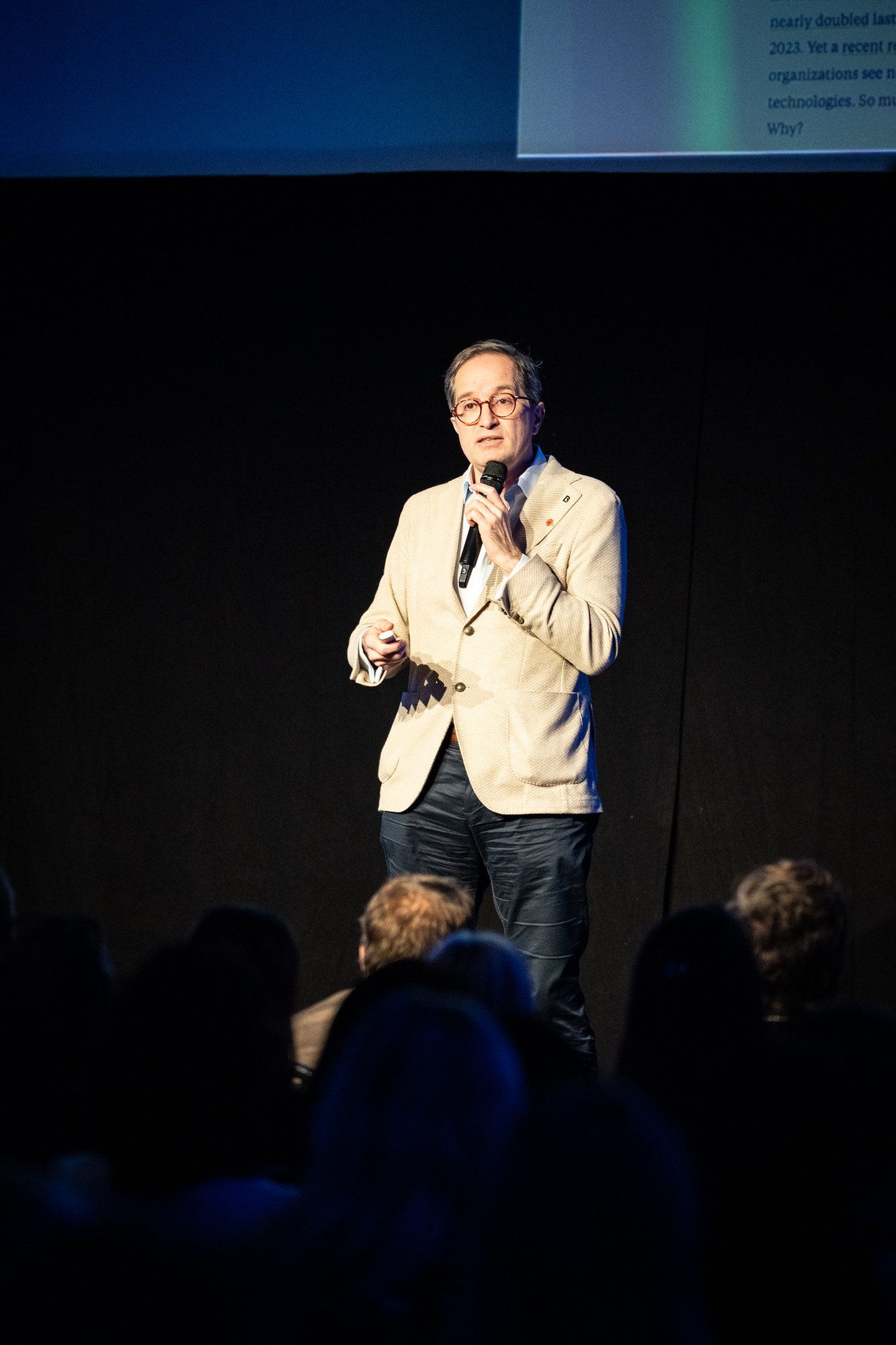
“The cost of experimenting is going to zero, while the cost of waiting goes up.”
In the digital age, the means to experiment are virtually unlimited and increasingly affordable. Building prototypes, testing new ideas, and trying out technologies can be done faster and more easily than ever before. At the same time, the cost of waiting is rising exponentially. Those who wait too long miss opportunities and risk falling behind as competitors innovate faster.
Experimentation is not about perfection, but about learning and iterating. It enables organizations to stay flexible and respond quickly to change. Every test, every prototype provides valuable insights, even if the idea fails.
Standing still means falling behind; taking action means growing. Rapid experimentation is therefore a strategic necessity.