We have more customer data, marketing technology and AI capabilities than ever before. So why do so many customer experiences still fall short? At MarTech ’26, Frans Riemersma challenged marketers to rethink their priorities. Instead of starting with technology, organisations need to understand what customers really want and how they can create measurable value.
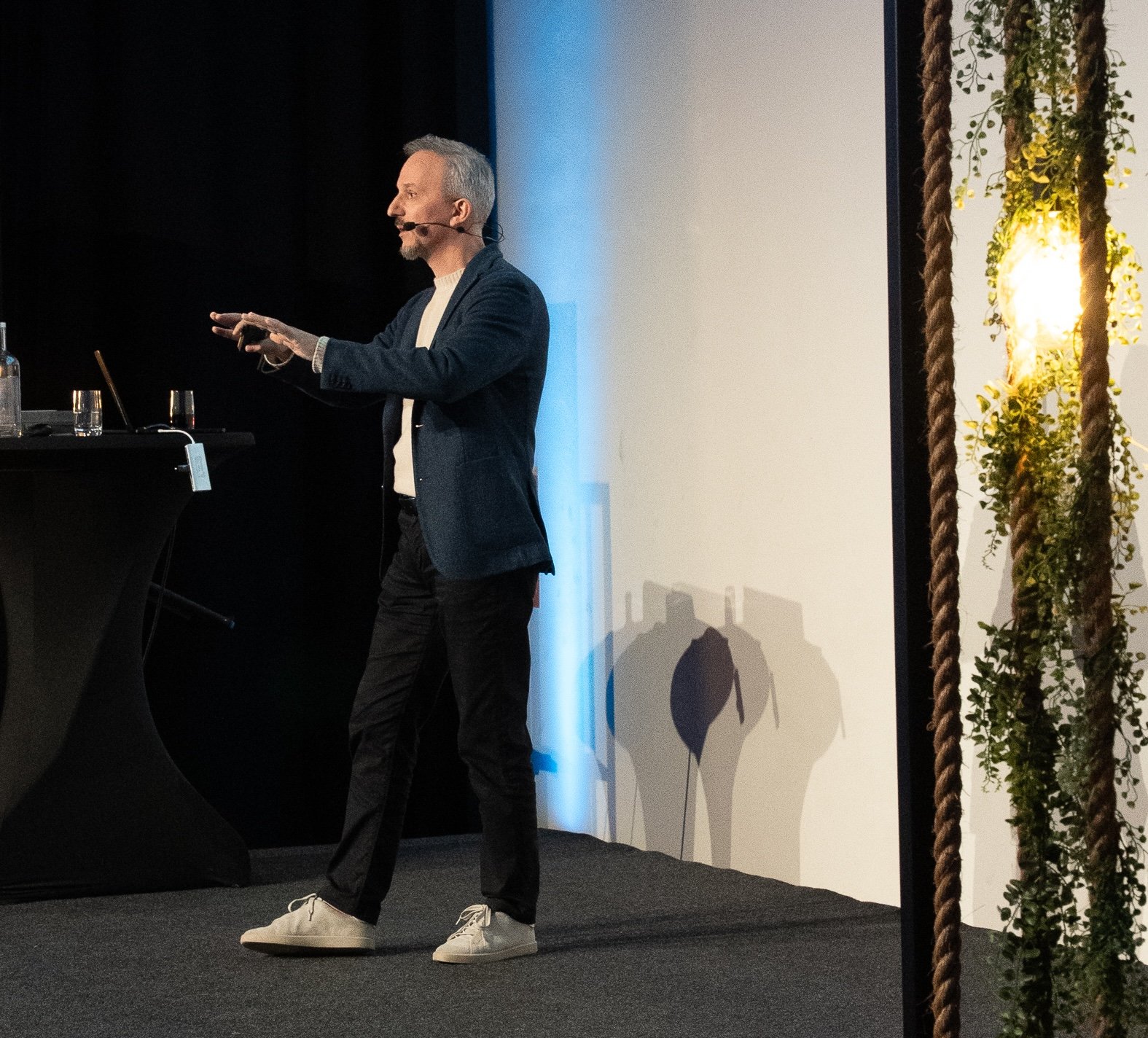
We have more customer data, marketing technology and AI capabilities than ever before. So why do so many customer experiences still fall short? At MarTech ’26, Frans Riemersma challenged marketers to rethink their priorities. Instead of starting with technology, organisations need to understand what customers really want and how they can create measurable value.

“Technology doesn't understand your customer. You do.”
More technology doesn't automatically lead to better customer insights. Frans illustrated this with IKEA founder Ingvar Kamprad. Rather than relying solely on dashboards, Kamprad observed how people behaved in stores and adjusted product displays accordingly. Only afterwards did he use data to verify whether those changes improved sales. The lesson? Start by understanding your customers. Then use data and technology to validate your assumptions.
Learn to speak the language of business
Marketing teams have countless dashboards and performance metrics. But clicks, impressions and conversion rates don't always tell business leaders what they need to know. Marketers must connect customer insights to commercial outcomes, such as revenue, margins and growth.
Organisations can do so by starting with three simple questions:
-
Who are your biggest customers?
-
What do they buy most?
-
What margins do those purchases generate?
These questions help identify where you create the most value and where to focus your efforts. The goal isn't to analyse everything. It's to identify the insights that lead to better business decisions.

Learn to speak the language of business
Marketing teams have countless dashboards and performance metrics. But clicks, impressions and conversion rates don't always tell business leaders what they need to know. Marketers must connect customer insights to commercial outcomes, such as revenue, margins and growth.
Organisations can do so by starting with three simple questions:
-
Who are your biggest customers?
-
What do they buy most?
-
What margins do those purchases generate?
These questions help identify where you create the most value and where to focus your efforts. The goal isn't to analyse everything. It's to identify the insights that lead to better business decisions.

Turn customer insights into business opportunities
AI can help uncover patterns in data, but insights alone don't create value. What matters is how businesses act on them. By combining customer understanding, relevant data and commercial thinking, marketers can identify opportunities that improve customer experiences while contributing to growth.
Ultimately, the future of marketing is about asking better questions, understanding your customers and turning those insights into measurable business value.