For years, marketing has revolved around capturing attention. Brands compete for clicks, impressions and visibility, hoping to turn that attention into customers. But what happens when AI starts understanding what consumers want and taking action on their behalf? At MarTech ’26, Peter Hinssen explored how AI is reshaping the relationship between brands and customers.
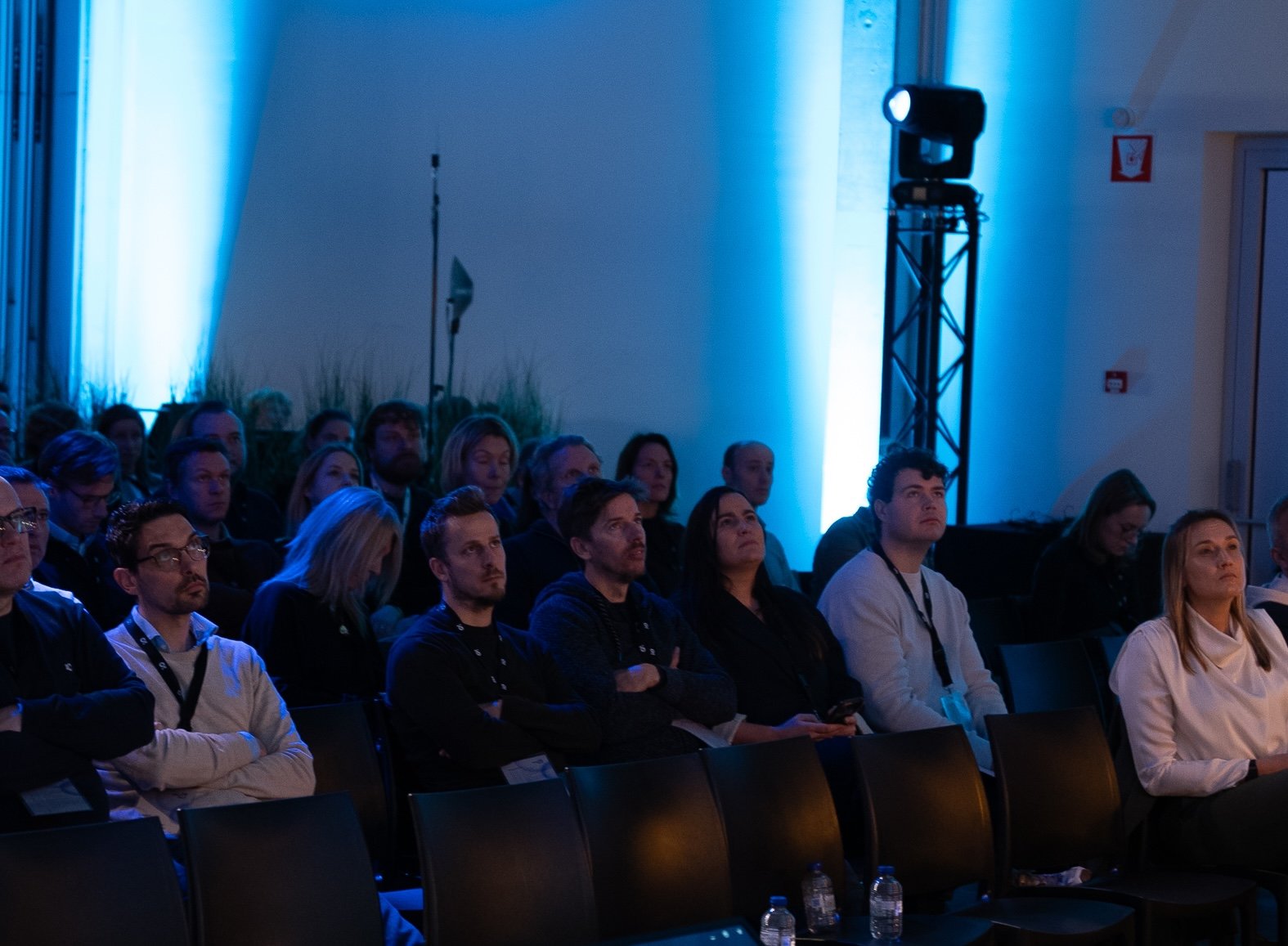
For years, marketing has revolved around capturing attention. Brands compete for clicks, impressions and visibility, hoping to turn that attention into customers. But what happens when AI starts understanding what consumers want and taking action on their behalf? At MarTech ’26, Peter Hinssen explored how AI is reshaping the relationship between brands and customers.

“From the attention economy to the intention economy”
Digital marketing has largely operated within the attention economy: the more attention a brand attracts, the greater its opportunity to influence purchasing decisions. AI is changing that dynamic. We're moving towards what Peter calls the intention economy: a world where AI systems understand consumers' preferences, anticipate their needs and increasingly act on their behalf.
Imagine an AI assistant that knows your preferences and can recommend products, make reservations or complete purchases for you. Marketing will no longer be just about capturing attention, but increasingly about understanding and responding to customer intent.
Disruption is the new climate
While organisations adapt to AI, technological change continues to accelerate. And according to Peter, waiting for things to settle down is the wrong approach. Don't treat disruption as a storm that will eventually pass. See it as the new climate.
Technological innovation, geopolitical developments and economic uncertainty are increasingly intertwined. Instead of reacting to every new development, businesses need to build the ability to adapt and make strategic decisions in an environment of constant change. Those that learn to use disruption to their advantage will be better positioned to seize new opportunities.