Technology is evolving faster than ever, but not every customer is keeping up. How can organisations use AI and digital innovation without leaving people behind? At MarTech ’26, Katrien Herwege shared how Eneco is using technology to simplify complex services, better understand customers and create more meaningful experiences.
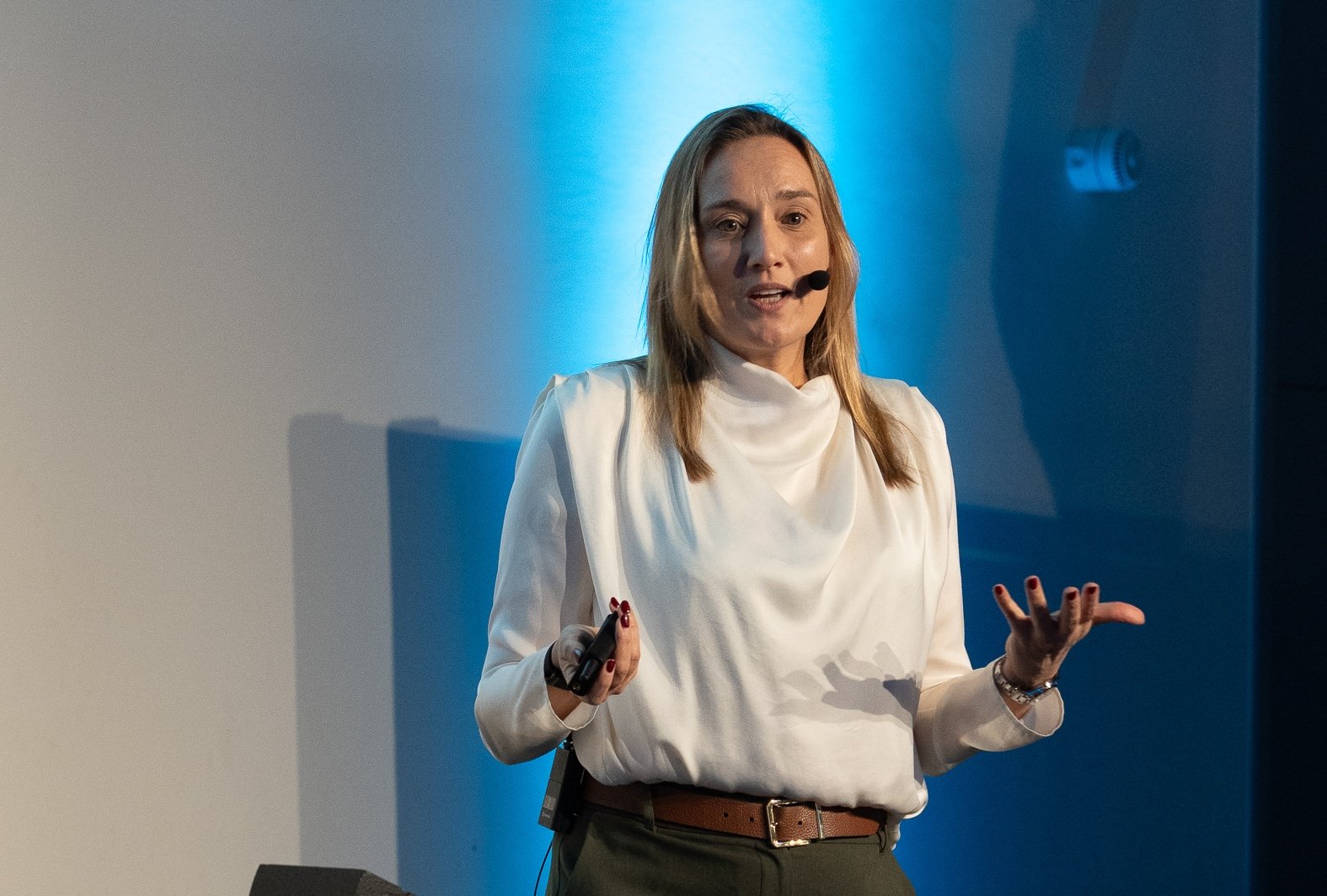
Technology is evolving faster than ever, but not every customer is keeping up. How can organisations use AI and digital innovation without leaving people behind? At MarTech ’26, Katrien Herwege shared how Eneco is using technology to simplify complex services, better understand customers and create more meaningful experiences.
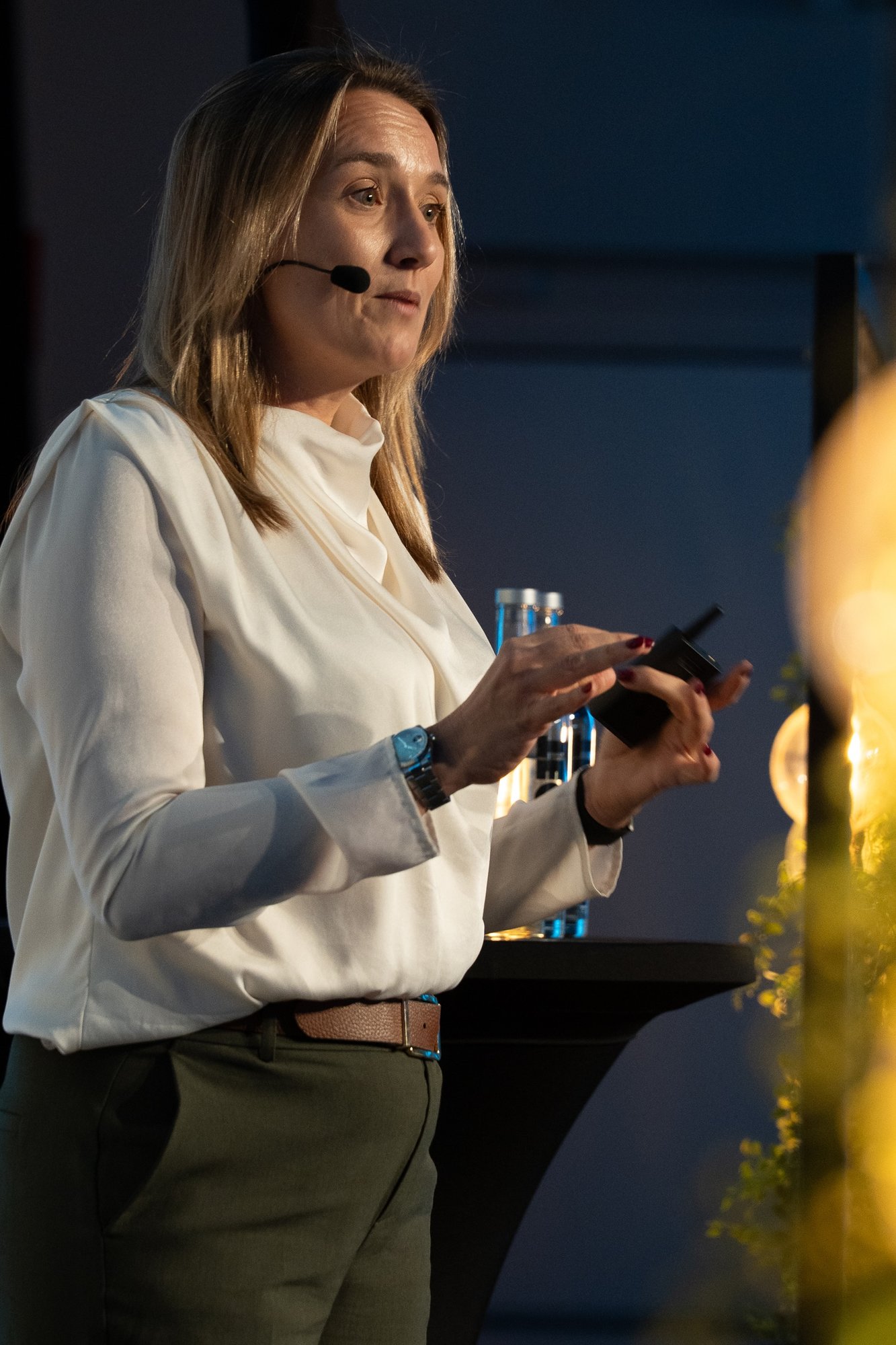
“Build trust before adding complexity”
The energy market is becoming increasingly complex, with smart charging, home batteries and energy management systems. But that doesn't mean the customer experience should become more complicated.
Everything starts with getting the basics right. Customers need accurate invoices and reliable service before they'll trust more advanced solutions. From there, technology can gradually add value: first by providing insights into energy consumption, then by offering personalised advice and eventually by automatically managing connected devices.
The same principle applies to AI. Efficiency and cost savings are valuable, but they shouldn't be the primary objective. Improve the customer experience first, and greater efficiency can follow.
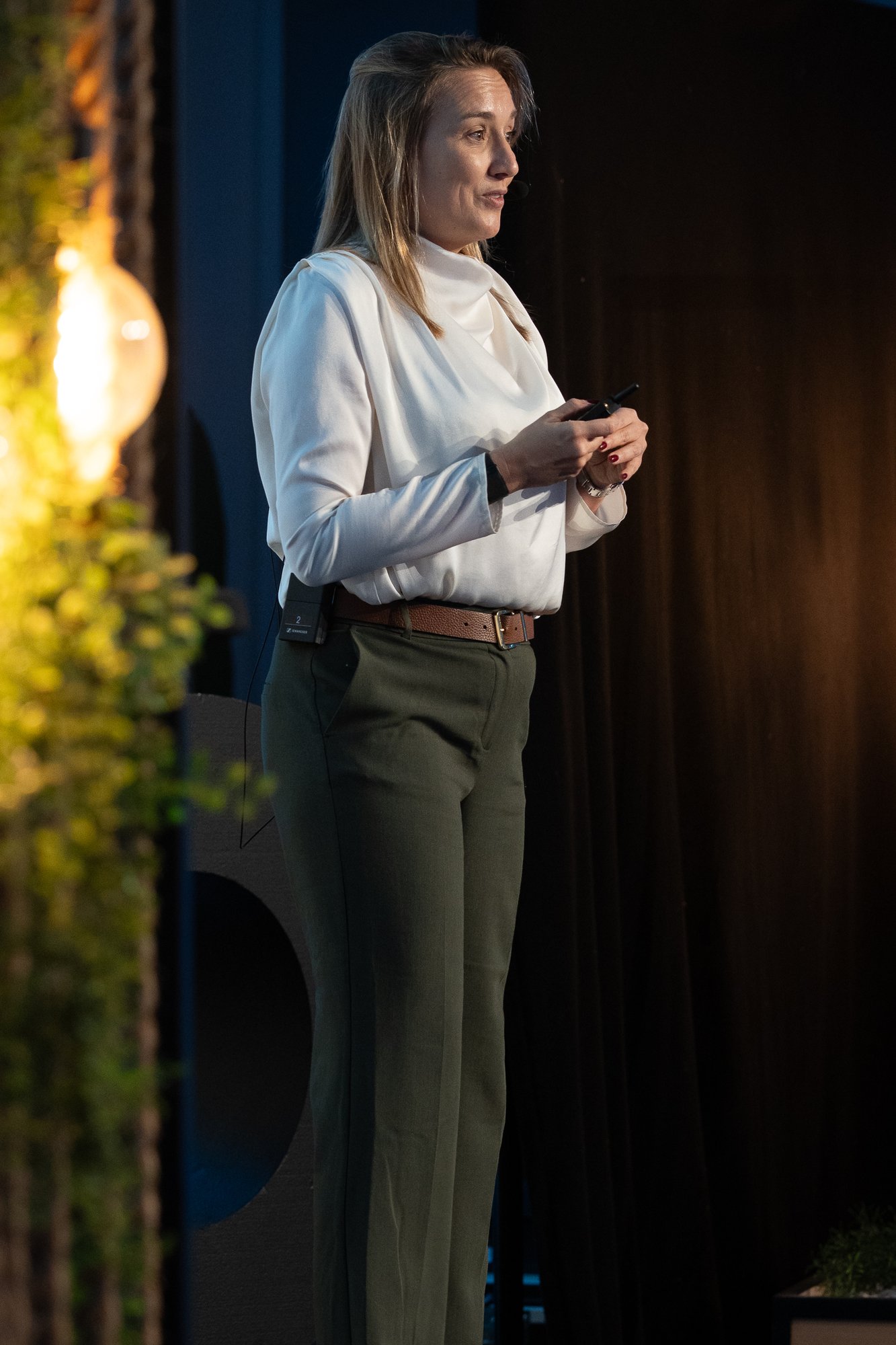
Digital by default, but never digital only
As organisations accelerate their digital transformation, accessibility remains essential. Not everyone wants to use an app, chatbot or AI assistant. And digital preferences aren't necessarily determined by age.
That's why Katrien advocates segmenting customers by behaviour rather than demographics, respecting their preferred communication channels and keeping human support available. Digital tools should make services easier, not create new barriers.
Ultimately, the goal isn't to introduce as much technology as possible. It's to use technology to bring organisations closer to their customers, making even the most complex services feel simple, relevant and accessible.